Just a few more days, then I’ll fly back to Berlin.
A Spontaneous Weekend in Madrid
The weekend before last, I wanted to make the most of the time I had left. Zaragoza sits almost exactly halfway between Madrid and Barcelona. I’d already been to Barcelona but Madrid? I’d managed to skip it entirely.
So I booked a bus at short notice, packed light, and let myself drift.
Madrid is expensive. More than Zaragoza, more than I’d expected. But the city is worth it. A few highlights:
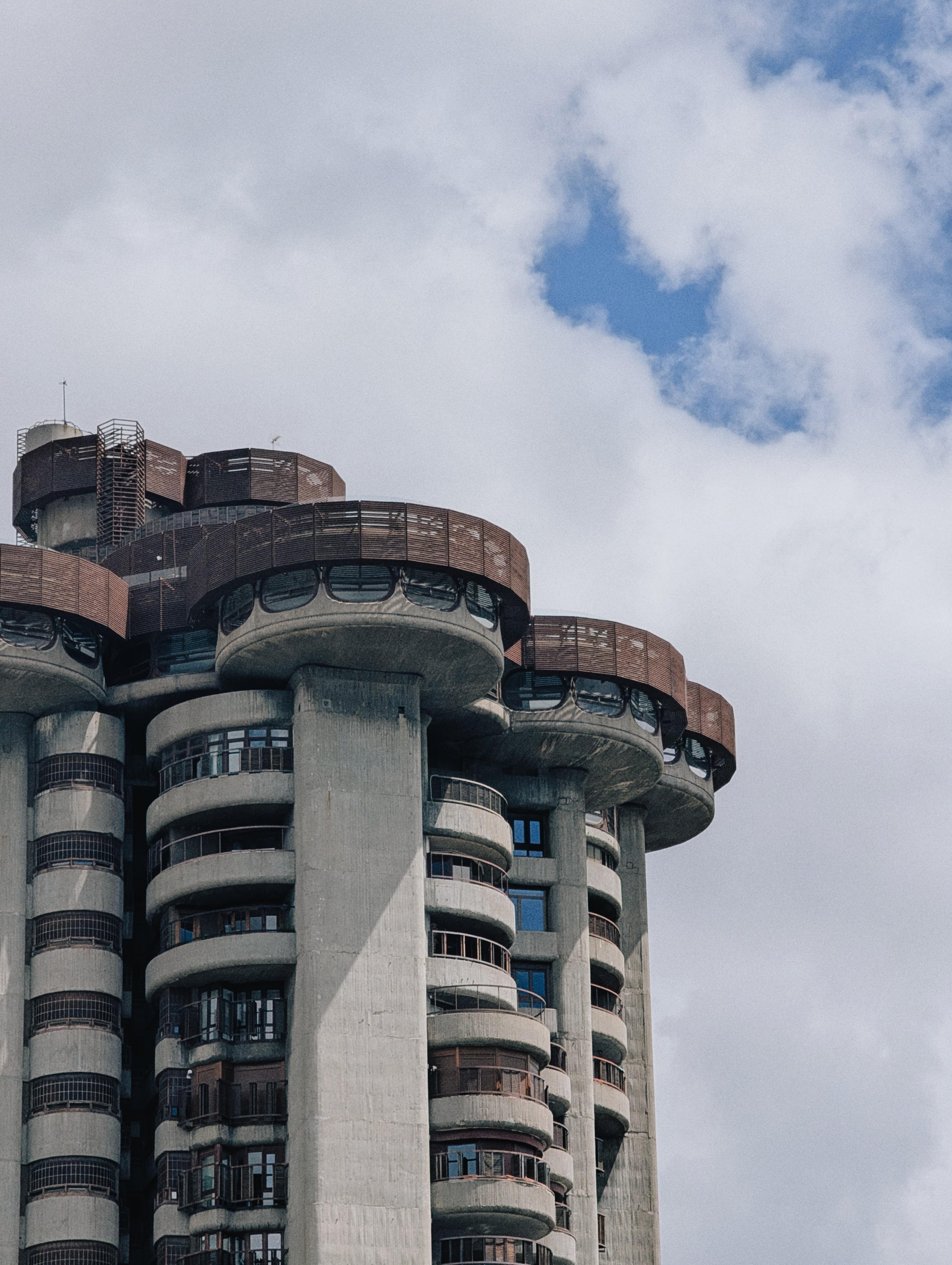
This brutalist building was designed by architect Francisco Javier Sáenz de Oiza and built between 1964 and 1969. It is one of the most extraordinary and eccentric examples of 20th-century Spanish architecture. The form is reminiscent of a giant, organic tree, with cantilevered, mushroom-shaped balconies stacking upward. Despite its massive concrete character, it has an almost futuristic, sculptural presence.
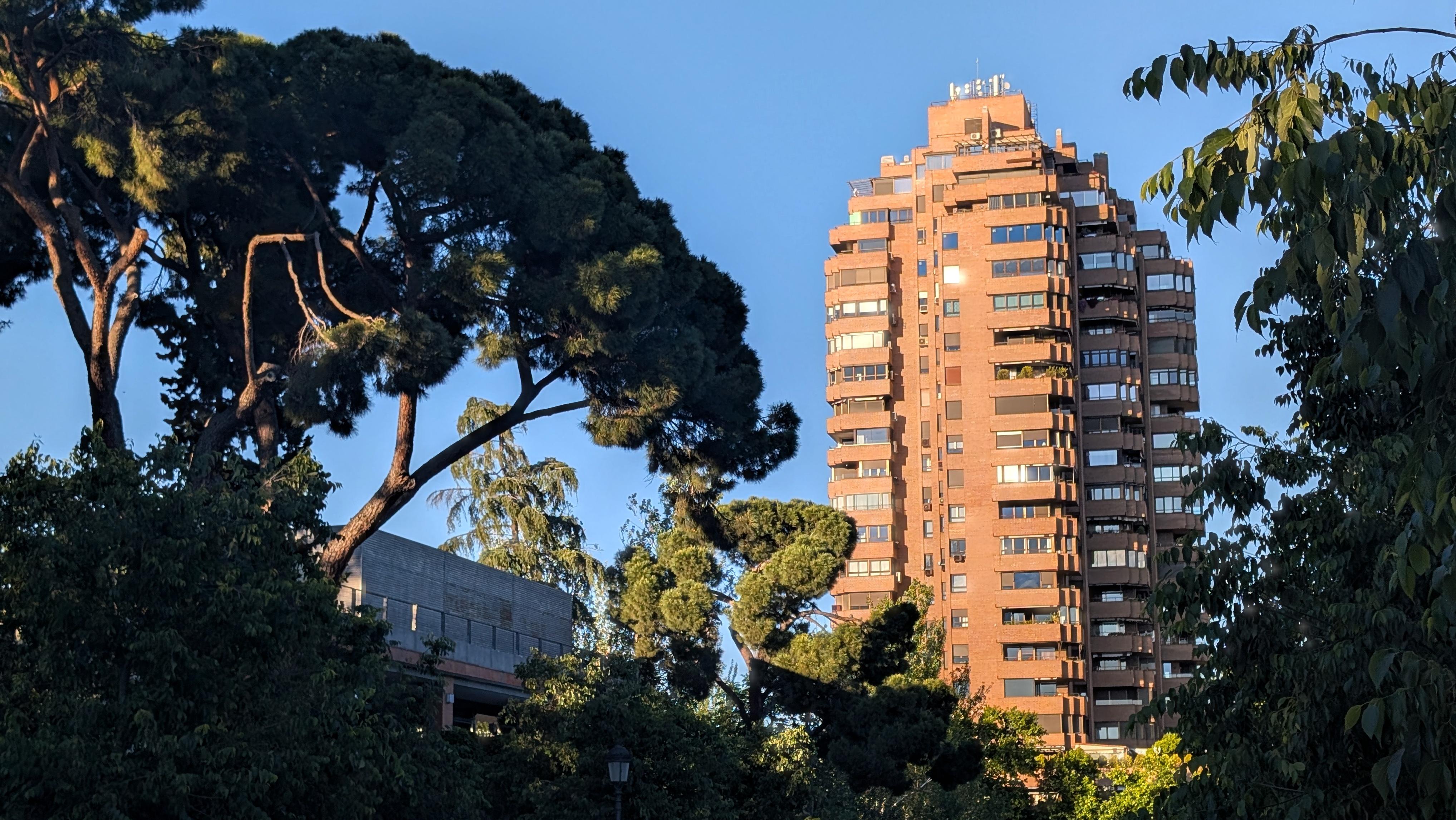
Rising above the trees of Parque del Retiro, the Torre de Valencia is a striking residential high-rise with a reddish façade. Designed by Javier Carvajal in the early 1970s, it stands around 94 metres tall and was controversial at the time for its bold placement near the Retiro and the Puerta de Alcalá. Today it creates a fascinating contrast between urban architecture and the quiet parkland around it.
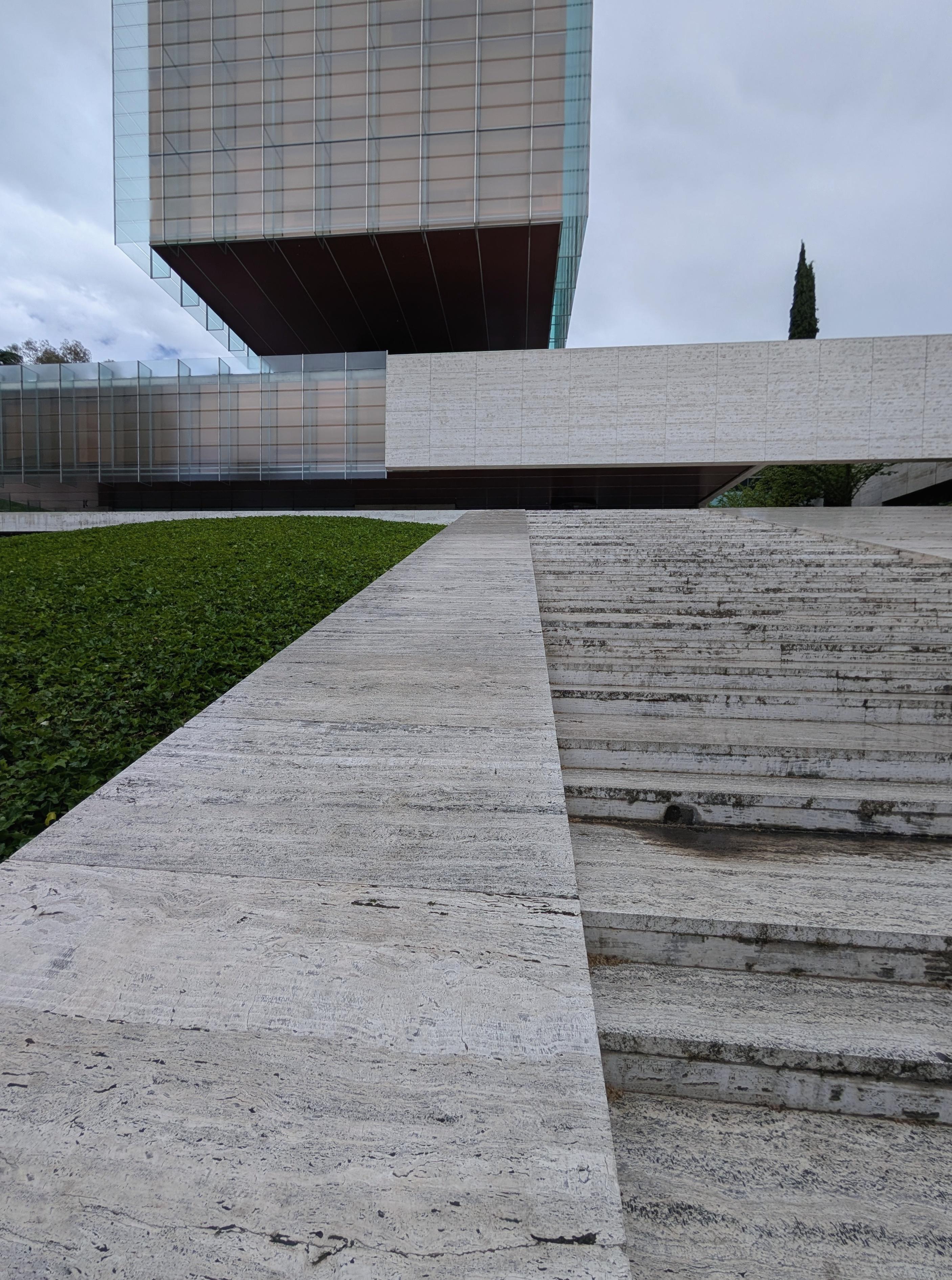
The Edificio Castelar on the Paseo de la Castellana looks as though its glass body is floating above a pale travertine base. It was designed by Rafael de La-Hoz Arderius and Gerardo Olivares and originally built between 1977 and 1983. For Madrid at the time, the building was architecturally daring, large portions of the office floors hang from an unusual load-bearing structure, giving the whole thing a light, almost futuristic quality. It was later renovated by Rafael de La-Hoz Castanys, son of the original architect. Today the Edificio Castelar is considered one of the defining examples of modern architecture along the Castellana.
I spent the night at The Bassement, a club in Madrid. Not a bad ending for a spontaneous weekend.
The next morning, back on the bus, back to Zaragoza.
A New Project, a New Person
Before the weekend, I’d found out that the original project was changing. My main contact at the company had barely been in touch, and there was no clear path forward. Instead, I was handed a new task.
The new project was technical: a PHP migration. An existing piece of software was still running on version 5.4 and needed to be brought up to 8.4.
What made the project special wasn’t the task itself, it was the person I tackled it with.
The Professor
Krytoph is a teacher and professor in Poland. He teaches at a secondary school and a university, running courses in network technology. He’s been doing this for decades, and it shows.
He looks like a relaxed version of Santa Claus: barely any hair on top, a long grey beard, a calm voice. When he works through a problem, he does it by feel. He thinks out loud, deliberates, corrects himself. No pressure, no stress.
And he uses tools older than I am.
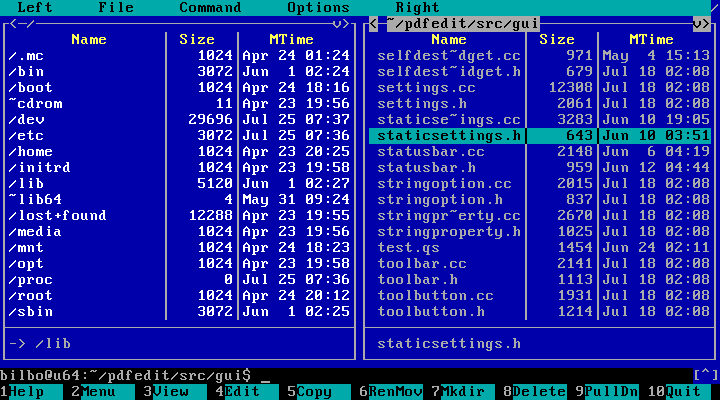
Midnight Commander, for example, a command-line file manager that visually transports me back to my first PC running Windows 95. He showed me how it works.
That stuck with me. I tend to gravitate toward whatever’s currently in vogue or considered modern. But sometimes the tool from thirty years ago is perfectly adequate for the task at hand.
Working with Krystoph was instructive in a way I hadn’t anticipated.
Zaragoza Florece
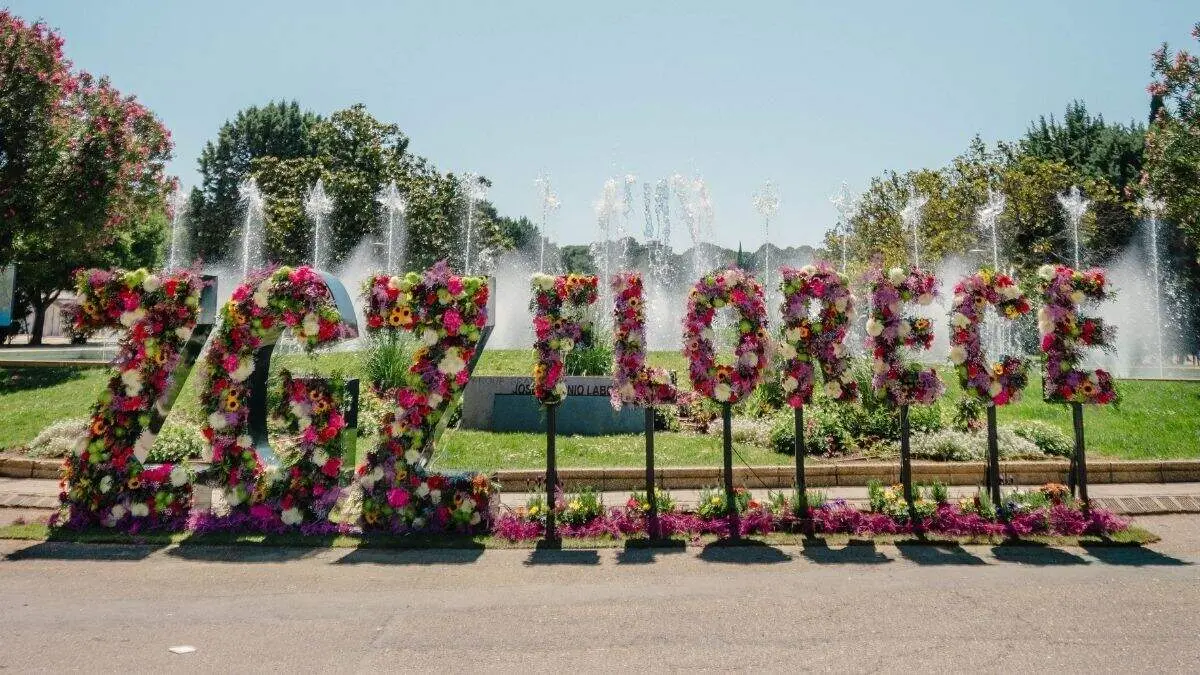
Wednesday brought something else entirely. In Parque Grande José Antonio Labordeta, the event Zaragoza Florece was taking place, a city flower festival that transforms the park for a few days into something hard to describe if you haven’t seen it.
Florists from Spain and abroad restyle corners, fountains and monuments throughout the park. Floral arrangements, live demonstrations, installations. The whole site suddenly feels like a film set built entirely from plants. Exactly the right kind of evening for a final week.
The Presentation, and Then Nothing
On Thursday we presented the project. Everything came together. No surprises, no rework. Just done.
And now it’s essentially over.
The last few days are free. Friday lunchtime there’s a short closing meeting, some feedback, a few words. After that, my time here is officially finished.
Two months. One place to stay, then another. Colleagues from Bulgaria, a Polish teacher with a beard like a patriarch, coffee that was too strong and a filter machine that cost twelve euros. Processions with drums, tapas in narrow alleyways, a bus that went the wrong way.
The flight to Berlin is waiting.